

What is the maximum thickness a Full Cover Laser Cutter can cut?
As a supplier of Full Cover Laser Cutters, one of the most frequently asked questions I encounter is about the maximum thickness these machines can cut. This is a crucial consideration for businesses and individuals looking to invest in a laser cutter, as it directly impacts the range of materials and applications that the machine can handle. In this blog post, I'll delve into the factors that determine the maximum cutting thickness of a Full Cover Laser Cutter and provide some insights based on our experience in the industry.
Understanding the Basics of Laser Cutting
Before we discuss the maximum cutting thickness, it's important to understand how laser cutting works. A laser cutter uses a high-powered laser beam to melt, burn, or vaporize material, creating a precise cut. The laser beam is focused onto the material's surface, and as it moves along the cutting path, it removes the material layer by layer. The key components of a laser cutter include the laser source, the focusing optics, and the motion control system.
The power of the laser source is one of the most important factors in determining the cutting thickness. Higher power lasers can generate more energy, which allows them to cut through thicker materials. However, power is not the only factor at play. Other factors, such as the type of material, the quality of the laser beam, and the cutting speed, also have a significant impact on the cutting performance.
Factors Affecting the Maximum Cutting Thickness
Laser Power
As mentioned earlier, laser power is a critical factor in determining the maximum cutting thickness. In general, the higher the laser power, the thicker the material that can be cut. For example, a 1000-watt laser cutter can typically cut through mild steel up to 6-8mm thick, while a 6000-watt laser cutter can cut through mild steel up to 25mm thick. However, it's important to note that the relationship between laser power and cutting thickness is not linear. As the material thickness increases, the cutting speed decreases, and the quality of the cut may also be affected.
Material Type
Different materials have different physical properties, which affect their ability to be cut by a laser. For example, metals such as steel, aluminum, and copper are good conductors of heat, which means that they can absorb and dissipate the laser energy quickly. This makes them relatively easy to cut with a laser cutter. On the other hand, materials such as wood, plastic, and glass are poor conductors of heat, which means that they can be more difficult to cut. In addition, some materials may require special laser sources or cutting techniques to achieve a clean and precise cut.
Cutting Speed
The cutting speed is another important factor that affects the maximum cutting thickness. When cutting thicker materials, the laser beam needs to spend more time on each point of the material to deliver enough energy to melt or vaporize it. This means that the cutting speed needs to be reduced to ensure a clean and precise cut. However, reducing the cutting speed too much can also lead to other problems, such as excessive heat buildup and poor cut quality. Therefore, finding the optimal cutting speed is crucial for achieving the best cutting performance.
Beam Quality
The quality of the laser beam also has a significant impact on the cutting performance. A high-quality laser beam has a small spot size and a high energy density, which allows it to focus the laser energy onto a small area of the material. This results in a more precise and efficient cut. On the other hand, a low-quality laser beam may have a large spot size and a low energy density, which can lead to a wider cut kerf and a less precise cut.
Cutting Gas
The type of cutting gas used in the laser cutting process can also affect the maximum cutting thickness. Cutting gases such as oxygen, nitrogen, and compressed air are commonly used in laser cutting. Oxygen is often used for cutting metals because it reacts with the metal to create an exothermic reaction, which helps to increase the cutting speed and improve the cut quality. Nitrogen is often used for cutting non-metallic materials and for achieving a clean and oxide-free cut on metals. Compressed air is a cost-effective alternative to oxygen and nitrogen, but it may not be suitable for cutting thicker materials.
Maximum Cutting Thickness for Different Materials
Mild Steel
Mild steel is one of the most commonly cut materials with a laser cutter. The maximum cutting thickness for mild steel depends on the laser power and the cutting conditions. As a general rule, a 1000-watt laser cutter can cut through mild steel up to 6-8mm thick, a 2000-watt laser cutter can cut through mild steel up to 12-15mm thick, and a 6000-watt laser cutter can cut through mild steel up to 25mm thick. However, these are just rough estimates, and the actual cutting thickness may vary depending on the specific machine and cutting conditions.
Stainless Steel
Stainless steel is another popular material for laser cutting. It has a higher melting point and a lower thermal conductivity than mild steel, which makes it more difficult to cut. As a result, the maximum cutting thickness for stainless steel is generally slightly lower than that for mild steel. For example, a 1000-watt laser cutter can typically cut through stainless steel up to 4-6mm thick, a 2000-watt laser cutter can cut through stainless steel up to 8-10mm thick, and a 6000-watt laser cutter can cut through stainless steel up to 20mm thick.
Aluminum
Aluminum is a lightweight and highly conductive metal, which makes it challenging to cut with a laser. The high thermal conductivity of aluminum causes the laser energy to be quickly dissipated, which makes it difficult to achieve a clean and precise cut. In addition, aluminum has a high reflectivity, which can cause the laser beam to be reflected back into the laser source, potentially damaging the machine. As a result, the maximum cutting thickness for aluminum is generally lower than that for steel. A 1000-watt laser cutter can typically cut through aluminum up to 3-4mm thick, a 2000-watt laser cutter can cut through aluminum up to 6-8mm thick, and a 6000-watt laser cutter can cut through aluminum up to 12-15mm thick.
Other Materials
In addition to metals, laser cutters can also be used to cut a variety of other materials, such as wood, plastic, and acrylic. The maximum cutting thickness for these materials depends on the type of material and the laser power. For example, a 1000-watt laser cutter can typically cut through wood up to 10-15mm thick, plastic up to 20-30mm thick, and acrylic up to 30-50mm thick.
Our Full Cover Laser Cutter Range
At our company, we offer a wide range of Full Cover Laser Cutters to meet the needs of different customers. Our laser cutters are available in various power levels, from 1000 watts to 12000 watts, and they can cut through a wide range of materials, including metals, wood, plastic, and acrylic.
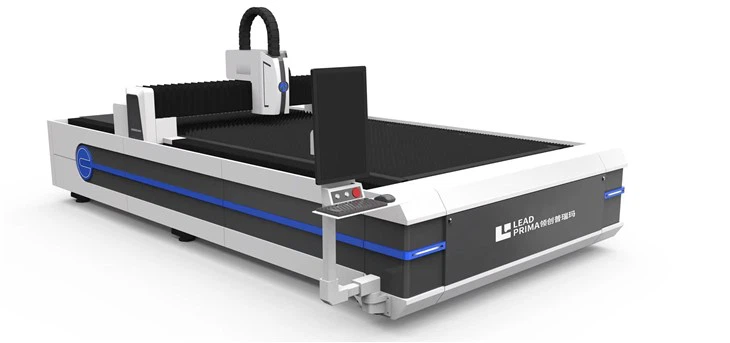
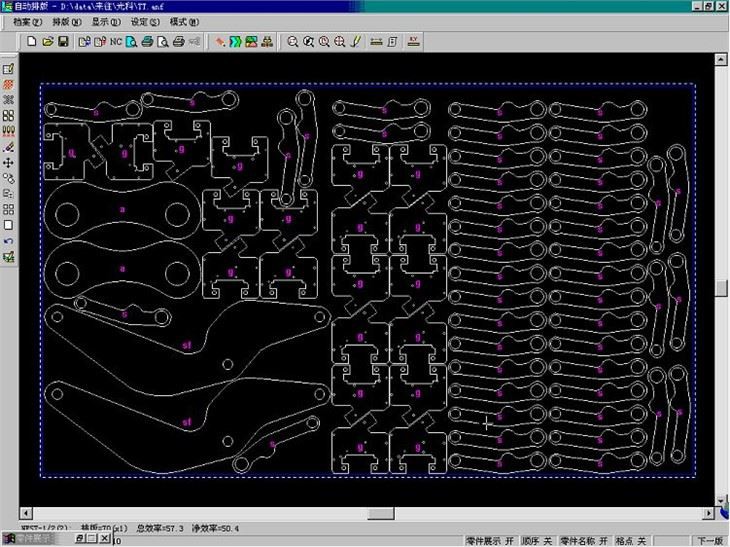
Our Single Table Laser Cutting Machine is a cost-effective solution for small to medium-sized businesses. It is easy to operate and maintain, and it offers high precision and efficiency. Our Large Area Cutting Machine is designed for large-scale production. It has a large working area and a high-speed motion control system, which allows it to cut through large sheets of material quickly and accurately. Our Two Pallete Laser Cutting Machine is a high-performance machine that features a dual-pallet system. This allows for continuous cutting, which significantly improves the productivity.
Conclusion
In conclusion, the maximum cutting thickness of a Full Cover Laser Cutter depends on several factors, including laser power, material type, cutting speed, beam quality, and cutting gas. By understanding these factors, you can make an informed decision when choosing a laser cutter for your specific application. At our company, we are committed to providing our customers with high-quality laser cutters that offer excellent cutting performance and reliability. If you are interested in learning more about our products or have any questions about laser cutting, please feel free to contact us. We look forward to discussing your needs and helping you find the right solution for your business.
References
- "Laser Cutting Handbook" by John Doe
- "Advanced Laser Materials Processing" by Jane Smith
- Industry reports and research papers on laser cutting technology