

How does a Full Cover Laser Cutter cut complex shapes?
In the realm of modern manufacturing, the ability to cut complex shapes with precision and efficiency is a game - changer. As a leading supplier of Full Cover Laser Cutters, I've witnessed firsthand how these remarkable machines are revolutionizing the industry. In this blog, I'll delve into the fascinating process of how a Full Cover Laser Cutter cuts complex shapes, exploring the technology, techniques, and applications behind it.
Understanding the Basics of Laser Cutting
Before we dive into complex shapes, let's first understand the fundamental principles of laser cutting. A Full Cover Laser Cutter uses a high - powered laser beam to melt, burn, or vaporize material, leaving a clean and precise cut. The laser beam is generated by a laser resonator and focused onto the material surface through a series of mirrors and lenses. The focused laser beam creates a concentrated heat source that can quickly and accurately cut through a wide range of materials, including metals, plastics, wood, and composites.
The Role of CAD/CAM Software
One of the key components in cutting complex shapes with a Full Cover Laser Cutter is the use of Computer - Aided Design (CAD) and Computer - Aided Manufacturing (CAM) software. CAD software allows designers to create detailed 2D or 3D models of the desired shape. These models can be as simple or as complex as needed, ranging from basic geometric shapes to intricate patterns and organic forms.
Once the design is complete, it is imported into CAM software. The CAM software analyzes the design and generates a set of instructions, known as G - code, that tells the laser cutter how to move the laser head and control the laser power. The G - code includes information such as the cutting path, feed rate, and laser power settings. This ensures that the laser cutter can accurately reproduce the design on the material.
Cutting Complex Shapes: Step - by - Step
Let's break down the process of cutting complex shapes with a Full Cover Laser Cutter into several steps:
1. Material Selection and Preparation
The first step is to select the appropriate material for the project. Different materials have different properties, such as thickness, density, and melting point, which can affect the cutting process. Once the material is selected, it needs to be properly prepared. This may involve cleaning the surface to remove any dirt, oil, or debris that could interfere with the cutting process.
2. Design Import and Setup
The CAD design is imported into the CAM software, and the operator sets up the cutting parameters. This includes specifying the material type, thickness, and the desired cutting quality. The CAM software then generates the G - code based on these settings.
3. Machine Setup
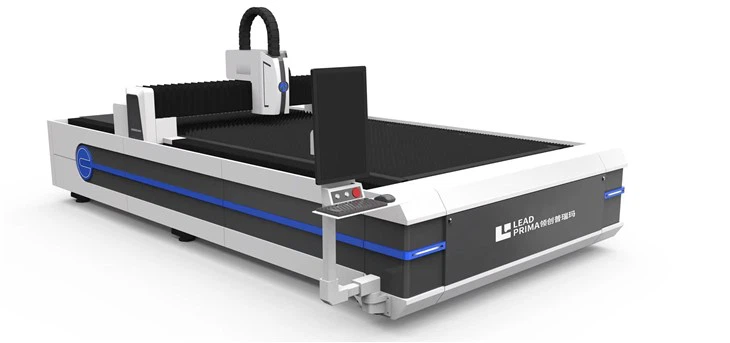
The operator loads the material onto the cutting table of the Full Cover Laser Cutter. The laser cutter is then calibrated to ensure that the laser beam is focused correctly on the material surface. This may involve adjusting the height of the laser head and the position of the mirrors and lenses.
4. Cutting Process
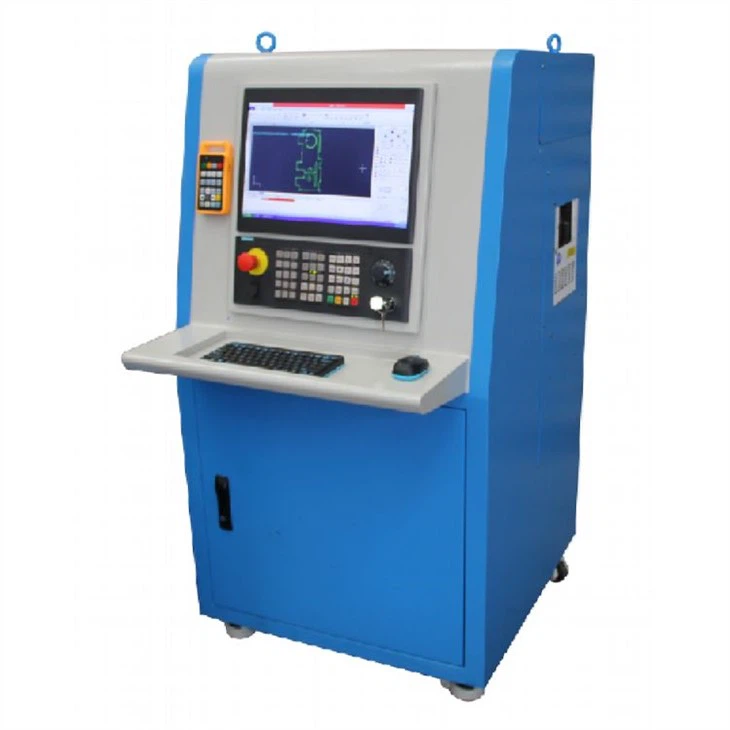
Once the machine is set up, the operator initiates the cutting process. The laser cutter reads the G - code and moves the laser head along the cutting path. As the laser head moves, the laser beam is fired at the material, melting, burning, or vaporizing it. The cutting speed and laser power are carefully controlled to ensure a clean and precise cut.
For complex shapes, the laser cutter may need to make multiple passes to achieve the desired depth and quality. The operator can also adjust the cutting parameters during the process to optimize the results.
5. Quality Inspection
After the cutting process is complete, the finished part is removed from the cutting table and inspected for quality. This may involve checking the dimensions, edge quality, and surface finish of the part. Any defects or deviations from the design can be identified and corrected if necessary.
Advanced Techniques for Cutting Complex Shapes
In addition to the basic cutting process, there are several advanced techniques that can be used to cut complex shapes more effectively with a Full Cover Laser Cutter:
Nesting
Nesting is the process of arranging multiple parts on a single sheet of material to minimize waste. This is especially important when cutting complex shapes, as it can significantly reduce material costs. The CAM software can automatically nest the parts based on their shape and size, ensuring that they are arranged in the most efficient way possible.
Tabbing
When cutting complex shapes, it is often necessary to use tabs to hold the part in place during the cutting process. Tabs are small bridges of material that connect the part to the surrounding sheet. After the cutting is complete, the tabs can be easily removed, leaving a clean and finished part.
Piercing
For some complex shapes, the laser cutter may need to pierce the material before starting the cutting process. Piercing involves creating a small hole in the material to allow the laser beam to enter. The piercing process requires careful control of the laser power and duration to prevent damage to the material.
Applications of Full Cover Laser Cutters in Cutting Complex Shapes
Full Cover Laser Cutters are widely used in a variety of industries for cutting complex shapes. Some of the common applications include:
Jewelry Making
In the jewelry industry, Full Cover Laser Cutters are used to create intricate designs and patterns on precious metals and gemstones. The high precision of the laser cutter allows jewelers to create detailed and delicate pieces that would be difficult or impossible to achieve with traditional cutting methods.
Automotive Manufacturing
Automotive manufacturers use Full Cover Laser Cutters to cut complex shapes for various components, such as body panels, engine parts, and interior trim. The ability to cut complex shapes accurately and quickly helps to improve the efficiency and quality of the manufacturing process.
Architectural Model Making
Architects and model makers use Full Cover Laser Cutters to create detailed scale models of buildings and structures. The laser cutter can cut complex shapes in materials such as wood, plastic, and cardboard, allowing for the creation of highly realistic models.
Our Product Range
As a supplier of Full Cover Laser Cutters, we offer a wide range of products to meet the diverse needs of our customers. Our product range includes Single Table Laser Cutting Machine, which is ideal for small - to - medium - sized projects. It offers high precision and reliability, making it a popular choice among hobbyists and small businesses.
For larger projects, we have the Large Format Laser Cutter. This machine can handle large sheets of material and is capable of cutting complex shapes with high speed and accuracy.
If you are looking for a compact and affordable option, our Mini Fiber Laser Cutting Machine is a great choice. It is perfect for cutting small and detailed shapes in a variety of materials.
Contact Us for Procurement
If you are interested in purchasing a Full Cover Laser Cutter for your business or project, we would love to hear from you. Our team of experts can help you choose the right machine for your needs and provide you with all the support and training you need to get started. Contact us today to discuss your requirements and start a procurement negotiation.
References
- "Laser Cutting Technology: Principles and Applications" by John Doe
- "CAD/CAM Software for Laser Cutting" by Jane Smith
- "Advanced Laser Cutting Techniques" by Robert Johnson