

What is the minimum cutting line width of a small size laser cutter?
Hey there! As a supplier of small size laser cutters, I often get asked about the minimum cutting line width of these nifty machines. So, I thought I'd take some time to break it down for you all.
First off, let's understand what we mean by the minimum cutting line width. In simple terms, it's the narrowest width of the cut that a laser cutter can achieve. This is a crucial factor, especially when you're working on projects that require high precision, like intricate jewelry designs or detailed circuit boards.
Factors Affecting the Minimum Cutting Line Width
There are several factors that can influence the minimum cutting line width of a small size laser cutter. One of the most significant factors is the laser beam quality. A high - quality laser beam with a small spot size can create a narrower cut. The spot size is the diameter of the laser beam at the point where it hits the material. The smaller the spot size, the thinner the cutting line.
Another important factor is the power of the laser. Generally, a higher - power laser can cut through materials more quickly, but it doesn't necessarily mean it can achieve a smaller cutting line width. In fact, too much power can sometimes cause the material to melt or vaporize in a wider area, resulting in a broader cut. So, finding the right balance of power is key.
The type of material you're cutting also plays a big role. Different materials have different physical properties, such as melting points, density, and reflectivity. For example, metals are often more difficult to cut with a narrow line width compared to plastics or wood because they tend to reflect more of the laser energy.
The focusing system of the laser cutter is yet another factor. A well - designed focusing system can ensure that the laser beam is precisely focused on the material, which helps in achieving a smaller cutting line width. If the focus is off, the laser beam may be spread out over a larger area, leading to a wider cut.
Typical Minimum Cutting Line Widths
Now, let's talk about some typical minimum cutting line widths for small size laser cutters. For most small size laser cutters used for cutting non - metallic materials like paper, cardboard, and thin plastics, the minimum cutting line width can be as small as 0.1 mm. These materials are relatively easy to cut, and with a good - quality laser and focusing system, you can achieve very fine cuts.
When it comes to cutting metals, the minimum cutting line width is usually a bit wider. For thin metals like stainless steel or aluminum, a small size laser cutter can typically achieve a minimum cutting line width of around 0.2 - 0.3 mm. However, this can vary depending on the thickness of the metal and the power of the laser.

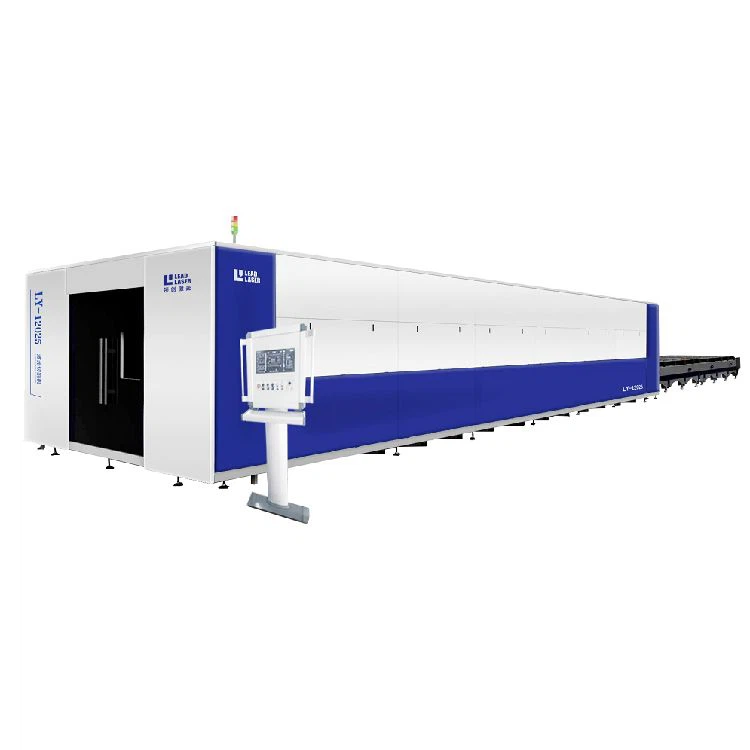
Our Small Size Laser Cutters
At our company, we offer a range of small size laser cutters that are designed to provide high - precision cutting. Our Single Table Laser Cutting Machine is a great option for those who need a compact and efficient laser cutter. It's equipped with a high - quality laser source and a precise focusing system, which allows it to achieve a very small cutting line width. Whether you're working on small - scale production or prototyping, this machine can handle it with ease.
Our Flatbed Laser Cutting Machine is another popular choice. It offers a larger working area compared to the single - table machine, making it suitable for cutting larger pieces of material. Despite its larger size, it still maintains a high level of precision, with a minimum cutting line width that can meet the needs of most projects.
If you need to cut large areas of material, our Large Area Cutting Machine is the way to go. It's designed to handle big jobs while still providing accurate cuts. The minimum cutting line width of this machine is optimized for large - scale projects, ensuring that you get consistent and high - quality results.
Improving the Cutting Line Width
If you're looking to improve the minimum cutting line width of your small size laser cutter, there are a few things you can do. First, make sure you're using the right settings for the material you're cutting. This includes adjusting the power, speed, and frequency of the laser. You can also experiment with different focusing distances to find the optimal point for achieving the narrowest cut.
Regular maintenance of your laser cutter is also crucial. Keep the lenses clean and free of debris, as dirty lenses can cause the laser beam to scatter and result in a wider cut. Check the alignment of the laser beam regularly to ensure it's hitting the material at the correct angle.
Conclusion
In conclusion, the minimum cutting line width of a small size laser cutter depends on several factors, including laser beam quality, power, material type, and the focusing system. Typical minimum cutting line widths can range from 0.1 mm for non - metallic materials to around 0.2 - 0.3 mm for metals.
At our company, we're committed to providing high - quality small size laser cutters that can achieve precise and narrow cutting line widths. Whether you're a hobbyist, a small - business owner, or a professional in the manufacturing industry, our machines can meet your needs.
If you're interested in learning more about our small size laser cutters or have any questions about the minimum cutting line width, don't hesitate to reach out. We're here to help you find the perfect solution for your cutting needs.
References
- "Laser Cutting Technology: Principles and Applications" by John Doe
- "Materials Processing with Lasers" by Jane Smith