

What is the ventilation requirement for a Full Cover Laser Cutter?
Hey there! As a supplier of Full Cover Laser Cutters, I've gotten a ton of questions about ventilation requirements. And let me tell you, it's not just a minor detail—it's super important for both the machine's performance and the safety of everyone in the workspace.
So, what exactly is the ventilation requirement for a Full Cover Laser Cutter? Well, it all boils down to getting rid of the fumes and particles that are generated during the cutting process. When a laser cutter works on materials like wood, acrylic, or even some metals, it releases all sorts of stuff into the air. These can include harmful gases, fine dust, and smoke. If you don't have proper ventilation, these pollutants can build up in the workspace, causing all kinds of problems.
First off, let's talk about the health risks. Breathing in those fumes and dust isn't good for anyone. Prolonged exposure can lead to respiratory issues, eye irritation, and even more serious long - term health problems. That's why having a good ventilation system is crucial to keep the air clean and safe for workers.
From a machine perspective, the fumes and dust can also cause damage to the laser cutter itself. The dust can settle on the optical components, like lenses and mirrors, which can reduce the laser's power and accuracy. Over time, this can lead to costly repairs and a shorter lifespan for the machine.
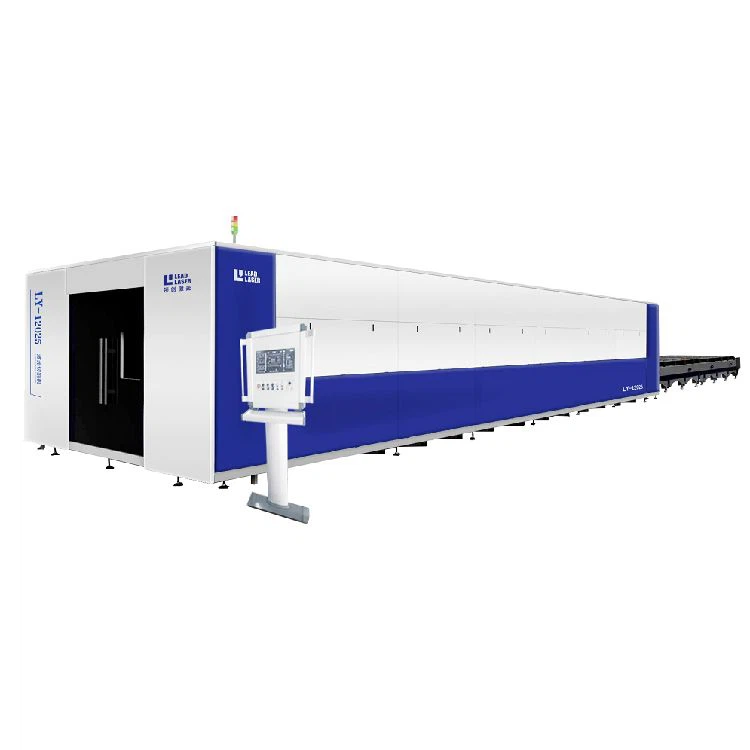
Now, let's dig into the nitty - gritty of what kind of ventilation you need. The size of the laser cutter plays a big role. For example, our Large Area Cutting Machine has a larger working area, which means it can generate more fumes and dust compared to a Small Size Laser Cutter. So, a large - area cutter will typically require a more powerful ventilation system.
A basic rule of thumb is to have a ventilation system that can exchange the air in the workspace at least 6 - 10 times per hour. This means that the system should be able to pull out the contaminated air and bring in fresh air at a sufficient rate. To calculate the required airflow, you need to consider the volume of the workspace and the size of the laser cutter.
There are different types of ventilation systems you can choose from. One common option is an exhaust hood. This is usually placed right above the laser cutter and sucks up the fumes as soon as they are generated. It's a great way to capture the pollutants at the source. The exhaust hood should be properly sized to cover the entire working area of the laser cutter.
Another option is a ducting system. This connects the laser cutter to an external exhaust fan. The fan then pulls the fumes out of the workspace and expels them outside. When installing a ducting system, make sure the ducts are as straight and short as possible to minimize resistance and ensure efficient airflow.
Some ventilation systems also come with filters. These filters can trap the dust and particles, preventing them from being released back into the air. There are different types of filters available, such as HEPA filters, which are very effective at capturing fine particles. Make sure to regularly replace the filters to maintain the system's efficiency.
If you're using a Full Cover Laser Cutter, it's important to seal the machine properly. A well - sealed enclosure helps to contain the fumes and makes it easier for the ventilation system to do its job. Check the seals around the doors and windows of the enclosure regularly to make sure there are no leaks.
Let's talk about maintenance. A ventilation system is only as good as its maintenance. You need to clean the exhaust hood, ducts, and filters regularly. Over time, dust and debris can build up, which can reduce the airflow and the system's effectiveness. Also, check the fan regularly to make sure it's running smoothly and that the belts are in good condition.
In addition to the ventilation system, you can also take some other steps to improve the air quality in the workspace. For example, using a negative air machine can help to further clean the air. This machine pulls in the contaminated air, filters it, and then releases clean air back into the room.
When choosing a ventilation system for your Full Cover Laser Cutter, it's also important to consider the noise level. Some powerful ventilation systems can be quite noisy, which can be a distraction in the workspace. Look for systems that are designed to operate quietly without sacrificing performance.
We understand that choosing the right ventilation system can be a bit overwhelming. That's why we're here to help. As a supplier of Full Cover Laser Cutters, we have a lot of experience in this area and can offer you advice on the best ventilation solution for your specific needs. Whether you have a Large Area Cutting Machine or a small - sized one, we can guide you through the process.
If you're in the market for a Full Cover Laser Cutter or need help with your ventilation requirements, don't hesitate to get in touch. We're happy to answer all your questions and discuss your options for a proper ventilation setup. Good ventilation is not just a luxury—it's a necessity for a safe and efficient workspace.

In conclusion, proper ventilation is essential for a Full Cover Laser Cutter. It protects the health of your workers, extends the lifespan of the machine, and ensures optimal performance. By following the guidelines and choosing the right ventilation system, you can create a safe and productive working environment.
If you're interested in learning more about our Full Cover Laser Cutters or need advice on ventilation systems, feel free to reach out. We're always here to assist you with your laser cutting needs and help you make the best decisions for your business.
References:
- General safety guidelines for laser cutter operation.
- Industry standards for ventilation in industrial workspaces.