


Automatic Laser Cutting Machine
An automatic laser cutting machine is a sophisticated piece of industrial equipment that employs laser technology to cut through various materials with precision and speed. It is operated by a computer numerical control (CNC) system, which allows for automated operation based on pre-programmed designs or real-time inputs.
Product Introduction
Why Choose Us
Competitive Pricing
We offer cost-effective solutions without sacrificing quality, providing great value for investment.
Global Service Network
With a wide-reaching service network, we can assist customers worldwide with installation, maintenance, and support.
Professional Support Team
Our knowledgeable staff is ready to provide expert guidance and support throughout the entire purchasing process.
Commitment to Sustainability
We strive to create eco-friendly products that contribute to a greener future without compromising on performance.
An automatic laser cutting machine is a sophisticated piece of industrial equipment that employs laser technology to cut through various materials with precision and speed. It is operated by a computer numerical control (CNC) system, which allows for automated operation based on pre-programmed designs or real-time inputs.


Firstly
It greatly improves precision and accuracy. With advanced technology and computerized control, an automatic laser cutting machine can cut materials with extreme precision, ensuring high-quality finished products. This is especially important in industries that require intricate designs and tight tolerances.Secondly, an automatic laser cutting machine increases productivity. Unlike manual cutting methods, which can be time-consuming and require skilled labor, an automatic laser cutting machine can operate continuously, enabling faster production rates. This not only saves time but also reduces labor costs, making it a cost-effective solution for businesses.
Additionally
Using an automatic laser cutting machine minimizes material wastage. The laser technology allows for very fine and narrow cuts, reducing the space between parts and maximizing material utilization. This is particularly beneficial in industries where the cost of materials is high.
Moreover
An automatic laser cutting machine offers versatility. It can cut a wide range of materials, including metals, wood, plastics, and composites. By simply adjusting the settings, one machine can accommodate different materials and thicknesses, eliminating the need for multiple cutting tools. This flexibility allows businesses to expand their product range and cater to various customer demands.
Furthermore
An automatic laser cutting machine ensures operator safety. With automated systems and safety features in place, the risk of accidents or injuries is minimized. The machine operates in a controlled environment, reducing the chances of human error and promoting a safe working environment for operators.
Lastly
An automatic laser cutting machine offers a higher level of repeatability. Once a cutting program is set, the machine can reproduce the same cuts accurately every time. This is crucial for businesses that require consistent results and want to maintain their product quality and brand reputation.
What maintenance is required for an automatic laser cutting machine?
Cleaning: Regularly clean the machine to remove dust, debris, and residue from the working area, laser head, lenses, and mirrors. Use a lint-free cloth or a soft brush to prevent scratches or damage.
Checking The Focal Length: It is important to regularly check and adjust the focal length to maintain accurate cutting and engraving depth. Misalignment can lead to poor quality cuts or damaged materials.
Inspecting The Laser Source: Check the laser source for any signs of damage or wear. Ensure that the cooling system is functioning properly and that the water or gas flow rates are within the recommended range.
Alignment Verification: Laser beams need to be properly aligned to achieve precise cutting. Periodically check and adjust the alignment of the laser beam to avoid any deviations that may affect the cutting quality.
Lubrication: Regularly lubricate the moving parts of the machine, such as rails, bearings, and lead screws, to minimize friction and ensure smooth movement. Follow the manufacturer's instructions on the type and frequency of lubrication required.
Replace Consumables: Various consumable parts in the machine, such as nozzles, lenses, and filters, may wear out over time and need replacement. Monitor their condition and replace them as needed to maintain optimal performance.
Calibration: Perform regular calibration to ensure the machine operates within the specified tolerances. This includes checking the accuracy of the cutting path, speed, and power settings.
Regular Software Updates: Keep the machine's software up to date to benefit from improvements, bug fixes, and new features released by the manufacturer. Software updates help enhance machine performance and compatibility.
Safety Inspections: Regularly inspect safety features such as emergency stop buttons, interlocks, and ventilation systems. Ensure all safety mechanisms are functioning correctly to protect the operators and prevent accidents.
Operator Training: Properly train and educate all operators on the correct operation, maintenance, and safety procedures of the laser cutting machine. Well-trained operators can perform routine maintenance tasks efficiently and avoid potential issues.
Functions Of Automatic Laser Cutting Machine
Automatic laser cutting machines serve multiple functions within the engineering domain, providing a versatile solution for various manufacturing processes. Their main functions include:
Precision Cutting: These machines deliver accurate cuts with tight tolerances, which are crucial for intricate designs and detailed components.
Material Processing: They can efficiently process a wide range of materials, including metals, plastics, wood, glass, and composites, depending on the type of laser employed.
Engraving and Marking: Beyond cutting, they can engrave text, logos, and patterns onto materials with high precision and clarity.
High Productivity: Automated operation and fast cutting speeds increase production output, making laser cutting suitable for both small-scale prototyping and large-scale manufacturing.
Minimal Material Waste: The precision of laser cutting minimizes material usage, reducing waste and costs.
Complex Design Handling: They can produce complex geometries and intricate shapes that might be difficult to achieve with traditional cutting methods.
Easy Job Setup: Pre-programmed designs and rapid tool changeovers facilitate quick transitions between different cutting tasks.
Remote Operation: Some machines support remote control, enhancing operator safety and allowing for greater flexibility in workflow management.
Integration with CAD/CAM Systems: Seamless integration with computer-aided design (CAD) and computer-aided manufacturing (CAM) software enables the direct conversion of digital designs into physical cuts.
Quality Control: Consistent performance ensures that each cut meets the same high standards, which is vital for maintaining product quality and reliability.
Customization: They enable easy customization of parts and products, which is increasingly important in today's market where consumers demand personalized products.
Safety: Automatic operation reduces the need for direct human interaction with the cutting process, improving overall workplace safety.
Metal Fabrication: In the automotive, aerospace, and construction industries, laser cutting machines are used to create intricate metal parts, from car body panels to aircraft structures.
Manufacturing of Electronics: Precision laser cutting is employed to manufacture printed circuit boards (PCBs), creating fine lines and holes for electronic components.
Sheet Metal Processing: Laser cutting machines are utilized for processing sheet metal to create parts for machinery, appliances, and various consumer goods.
Medical Industry: Customized medical instruments, implants, and surgical tools are often produced using laser cutting due to its precision and sterility.
Signage and Advertising: The production of custom signs, billboards, and display materials frequently involves laser cutting to achieve sharp edges and intricate designs on materials like acrylic, wood, and metal.


Textile and Garment Industry: Laser cutters can precisely cut fabrics, leather, and synthetic materials for clothing, upholstery, and accessories.
Jewelry Making: In the jewelry industry, laser cutting is used for engraving, etching, and shaping precious metals and stones.
Packaging Industry: Laser cutters are employed to create custom packaging designs, including boxes, containers, and labels, with precision and aesthetic appeal.
Woodworking and Furniture Manufacturing: Laser cutters can carve intricate details, cut out shapes, and engrave text on wooden surfaces for furniture and decorative items.
Automotive Parts: From engine components to exhaust systems, laser cutting is integral in producing high-quality, precisely designed automotive parts.
Aerospace Components: The aerospace industry relies on laser cutting for producing lightweight, strong, and precisely manufactured parts, such as airframe components and turbine blades.
Rapid Prototyping and Additive Manufacturing: Laser cutters are used alongside 3D printers to create prototypes and components with complex geometries.
Industrial Machinery: Custom parts for industrial machinery, such as conveyor belts, robotic arms, and assembly line components, are often made using laser cutting.
Solar Panel Production: Laser cutting is used to accurately cut solar cells and create the necessary interconnects for solar panel assembly.

Process of Automatic Laser Cutting Machine
The process of automatic laser cutting machines is an advanced technology used in various industries. It offers precise and efficient cutting of materials with minimal human intervention. The following are the steps involved in the process of automatic laser cutting machine:
Material Preparation: Before the cutting process begins, the material to be cut is prepared. This includes selecting the appropriate type and thickness of the material. The material is then cleaned and placed on the cutting bed in the designated area.
Programming: Next, the operator programs the laser cutting machine by providing the necessary instructions. This typically involves specifying the desired shape or design to be cut from the material. The programming can be done using computer-aided design (CAD) software or manually through the machine's interface.
Laser Setup: Once the programming is complete, the laser cutting machine is set up accordingly. This involves adjusting the laser power and speed settings based on the material type and thickness. The focal length of the laser beam is also set to ensure the desired level of precision during cutting.
Alignment: Proper alignment of the material is crucial for accurate cutting. The laser cutting machine uses sensors or cameras to detect the position and dimensions of the material. It then automatically adjusts the cutting path to match the programmed design.
Cutting Process: With everything in place, the laser cutting machine initiates the cutting process. The tightly focused laser beam rapidly heats the material, causing it to melt, vaporize, or burn away. The high-energy beam is precisely controlled to follow the programmed design, cutting through the material along the specified path.
Cooling: To prevent excessive heat buildup and potential damage to the material, a cooling system is used during or after the cutting process. This can be in the form of an air or water-based cooling system, which rapidly cools down the material and ensures its structural integrity.
Collection and Disposal: As the laser cutting machine completes the cutting process, the cut pieces or scraps are collected. They are either automatically removed from the cutting bed or manually cleared by the operator. Any waste material is properly disposed of following appropriate environmental guidelines.
Quality Control: After the cutting process, the cut pieces undergo quality control checks. This ensures the accuracy and precision of the cuts, verifying that they meet the required specifications. Any defects or errors are documented, and adjustments can be made for future cutting jobs.
Types of Automatic Laser Cutting Machine
Fiber Laser Cutting Machine: This type of machine uses a high-power fiber laser source to generate a laser beam that is focused and directed onto the material being cut. It is known for its high cutting speed, excellent beam quality, and low maintenance requirements.
CO2 Laser Cutting Machine: This machine uses a carbon dioxide gas laser to produce a laser beam that is focused onto the material being cut. It is suitable for cutting a wide range of materials, including metal, plastic, wood, and leather. CO2 laser cutting machines are known for their versatility and precision.
YAG Laser Cutting Machine: YAG stands for yttrium-aluminum-garnet, which is the crystal material used to generate the laser beam in this type of machine. YAG lasers are solid-state lasers and are often used for cutting thin metal sheets and precision cutting applications.
Disk Laser Cutting Machine: This machine uses a laser beam generated by a thin disk laser source. The disk laser consists of a thin disk-shaped crystal doped with rare-earth elements. Disk lasers offer high efficiency, excellent beam quality, and are ideal for high-power cutting applications.
Plasma Laser Cutting Machine: This type of machine combines the principles of laser cutting and plasma cutting. It utilizes a laser beam to create a pilot arc, which then initiates a plasma arc for cutting. Plasma laser cutting machines are ideal for cutting thicker metal sheets and materials with high conductivity.
3D Laser Cutting Machine: As the name suggests, this type of machine is capable of cutting three-dimensional objects. It utilizes computer-aided design (CAD) software to create a 3D model, which is then used to guide the laser beam and perform the cutting operation.
Tube Laser Cutting Machine: This machine is specifically designed for cutting various types of tubular materials, such as pipes, tubes, and profiles. It is equipped with specialized fixtures and components to hold and manipulate the tubular workpiece, while the laser beam performs precise and clean cuts.
Robotic Laser Cutting Machine: This type of machine combines the precision of laser cutting with the flexibility and versatility of robotics. It involves integrating an industrial robot arm with a laser cutting system to automate the cutting process. Robotic laser cutting machines are often used in industries that require complex and repetitive cutting operations.
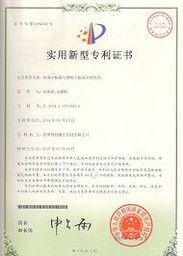
Certifications




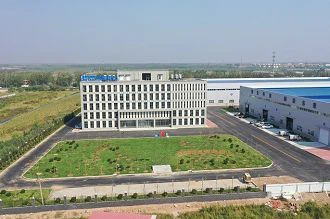
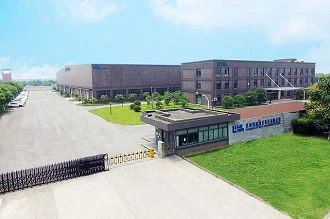
Our Factory
Since founded, Lead Laser focus on resources integration for technology, product, application, market and capital. Approves ISO9001 and CE quality certificate, Owns proprietary intellectual property rights, Obtains hundreds of invention patents. Advocates the development concept of "Keep Ahead On The Tech and Create The Future Together", and the business philosophy of "honesty, efficiency, cooperation, creativity". Stick to "high speed, accuracy and efficiency, environmental protection and low consumption" as the guide of development and manufacture, and reduce cost with increase production efficiency, to create economic benefits and value for customer.

FAQ
Q: What is an automatic laser cutting machine?
Q: How does an automatic laser cutting machine work?
Q: What are the advantages of using an automatic laser cutting machine?
Q: Can an automatic laser cutting machine cut any material?
Q: What is the maximum thickness of material that can be cut using an automatic laser cutting machine?
Q: Can an automatic laser cutting machine create intricate designs?
Q: Is an automatic laser cutting machine safe to use?
Q: What maintenance is required for an automatic laser cutting machine?
Q: Can an automatic laser cutting machine work continuously?
Q: Can an automatic laser cutting machine be used for mass production?
Q: What file formats are compatible with an automatic laser cutting machine?
Q: Does an automatic laser cutting machine require skilled operators?
Q: Can an automatic laser cutting machine etch or engrave materials?
Q: How long does it take to learn to operate an automatic laser cutting machine?
Q: Are there any limitations to the size of material that can be cut using an automatic laser cutting machine?
Q: Can an automatic laser cutting machine cut materials with different thicknesses simultaneously?
Q: Can an automatic laser cutting machine cut three-dimensional objects?
Q: What are the power requirements for an automatic laser cutting machine?
Q: Can an automatic laser cutting machine be used for prototyping?
Q: Are automatic laser cutting machines expensive?
Hot Tags: automatic laser cutting machine, China automatic laser cutting machine suppliers, manufacturers, factory
You Might Also Like


Send Inquiry
