


Hand-held Welding Machine
A hand-held welding machine, also known as a portable welding machine or stick welder, is a compact and mobile device used for joining metals through a process called arc welding. It operates by creating an electric arc between the electrode held in the welding gun and the workpiece. The heat generated by this arc melts the base metal and the electrode, allowing them to fuse together as they cool down.
Product Introduction
Why Choose Us
Competitive Pricing
We offer cost-effective solutions without sacrificing quality, providing great value for investment.
Global Service Network
With a wide-reaching service network, we can assist customers worldwide with installation, maintenance, and support.
Professional Support Team
Our knowledgeable staff is ready to provide expert guidance and support throughout the entire purchasing process.
Commitment to Sustainability
We strive to create eco-friendly products that contribute to a greener future without compromising on performance.
A hand-held welding machine, also known as a portable welding machine or stick welder, is a compact and mobile device used for joining metals through a process called arc welding. It operates by creating an electric arc between the electrode held in the welding gun and the workpiece. The heat generated by this arc melts the base metal and the electrode, allowing them to fuse together as they cool down.


Shielded Metal Arc Welding (SMAW) / Stick Welding
This is one of the most widely used and versatile welding methods. It employs a consumable electrode covered in flux. The electrode carries the electric current and melts to form the weld puddle. The flux generates slag and shielding gas to protect the weld from atmospheric contaminants. Stick welders are portable and can be used in various environments, including outdoors and in windy conditions.
Gas Metal Arc Welding (GMAW) / MIG Welding
MIG welding uses a continuous spool of solid wire electrode fed through a welding gun. An external shielding gas, usually argon or a combination of argon and carbon dioxide, protects the weld area from atmospheric contaminants. MIG welding is known for its high deposition rate and is commonly used for welding thin to moderate thicknesses of various metals. Portable MIG welders are available, but they may be heavier due to the need for gas cylinders and cables.
Flux-Cored Arc Welding (FCAW)
FCAW combines aspects of SMAW and GMAW. It uses a consumable electrode with a hollow center filled with flux. The process can be semi-automatic or fully automated and can use either external shielding gas or rely solely on the flux within the electrode. FCAW is well-suited for outdoor welding and can handle dirty or rusty materials better than GMAW. Portable FCAW machines are similar to MIG welders in terms of weight and size.
Tungsten Inert Gas (TIG) Welding
TIG welding uses a non-consumable tungsten electrode to produce the weld. A separate filler metal is used to join the workpieces. TIG welding requires a shielding gas, typically argon or helium, to protect the weld area from contaminants. TIG welding is known for producing high-quality welds and is often used on stainless steel, aluminum, and other non-ferrous metals. Although TIG machines can be portable, they may be less so than stick and MIG welders due to the need for gas tanks and additional controls.
Submerged Arc Welding (SAW)
SAW is an automated welding process that uses a bare electrode and granular flux. The flux is placed on the workpiece, and as the arc melts the flux, it creates a slag that covers the molten metal, protecting it from the atmosphere. SAW machines can be hand-held with a welding gun, but they are often part of a larger, more complex setup and are not as commonly used in a truly hand-held capacity compared to other methods.
How does a hand-held welding machine work?
A hand-held welding machine operates by generating an electric arc between a power source and the workpiece being welded. Here is a step-by-step explanation of the process:
Power Source: The welding machine is connected to a power source, which could be alternating current (AC) or direct current (DC), depending on the type of welding being performed. For portable welding machines, this power source is often a built-in generator powered by electricity, gasoline, or diesel fuel.
Electrode and Flux: In the case of Shielded Metal Arc Welding (SMAW), the welder holds an electrode in a welding gun or clamp. The electrode is made of metal and covered with a layer of flux. The composition of the electrode and flux depends on the type of metal being welded and the desired properties of the weld.
Striking the Arc: To initiate the welding process, the welder touches the electrode to the workpiece, establishing electrical contact and creating an arc. Some welders use a scratch start, while others use a hot start or high voltage to make it easier to strike the arc.
Arc Formation: Once the arc is established, the electrical current flows through the electrode to the workpiece, heating the metal to the point of melting. The heat from the arc causes both the electrode and the base metal to melt, forming a molten pool.
Shielding: The flux coating on the electrode vaporizes due to the heat of the arc. This vaporization creates a cloud of gas and slag that envelops the molten pool, protecting it from contaminants in the air, such as oxygen and nitrogen, which could weaken the weld.
Cooling and Solidification: After the welder moves the electrode away, the molten pool begins to cool and solidify, forming a strong metallurgical bond between the pieces of metal. The remaining slag on the surface of the weld must be chipped off or ground away to reveal the finished weld bead.
Deposition of Metal: As the electrode melts, it deposits metal into the molten pool, adding to the weld bead. In some welding processes, such as MIG and FCAW, a separate filler metal is fed into the weld pool.
Control and Movement: The welder manipulates the welding gun to control the shape, size, and direction of the weld bead. This movement must be precise to ensure good penetration and weld quality.
Mobility: The primary advantage of hand-held welding machines is their portability, allowing welders to move around and perform welding tasks in different locations with ease. This is particularly beneficial for fieldwork, construction sites, and maintenance jobs where stationary equipment is impractical.
Versatility: Hand-held welders can be used for a wide range of materials and thicknesses, making them versatile tools for different projects. They can handle everything from thin sheets to thick plates and can weld various metals, including steel, aluminum, and stainless steel.
Cost-Effectiveness: Hand-held welding machines are generally less expensive than automated welding systems, making them a cost-effective solution for businesses and individuals who do not require high-volume production welding.


Ease of Use: Hand-held welders are relatively simple to operate compared to more complex welding setups. This allows for quicker learning curves and reduces the need for extensive training, which can save time and money.
Adaptability to Different Positions: Welders can easily adjust the angle and position of the hand-held machine to accommodate welding in various positions, such as flat, vertical, overhead, and horizontal. This adaptability is crucial for completing welds in difficult-to-reach areas.
Quick Setup and Teardown: Hand-held welding machines can be set up quickly and taken down just as fast, reducing the time required for preparation and cleanup. This is especially useful for jobs that require frequent changes in location.
Reduced Material Preparation: Hand-held welding machines can often weld through minor contaminants such as rust or paint, reducing the need for extensive material preparation before welding.
Energy Efficiency: Many hand-held welding machines are designed to be energy-efficient, using only the necessary amount of power for the task at hand, which can lead to lower energy costs.
Improved Safety: Modern hand-held welding machines are equipped with safety features such as overcurrent protection, thermal cutoffs, and automatic shutdown capabilities, enhancing the safety of the welding process.

What Safety Measures Should Be Taken While Using A Hand-held Welding Machine?
Personal Protective Equipment (PPE): Always wear appropriate PPE, including a welding helmet with a properly shaded filter to protect your eyes from UV radiation and flying debris. Additionally, wear fire-resistant gloves, a welding jacket or long-sleeved shirt, safety glasses (under the helmet for additional eye protection), ear protection, and sturdy shoes or boots.
Work Area Safety: Keep the work area clean and free of flammable materials. Use shields or screens to protect bystanders from sparks and slag. Ensure adequate ventilation to disperse fumes and gases produced during welding.
Fire Prevention: Have a fire extinguisher readily available and know how to use it. Do not weld near explosive or flammable atmospheres. Check the area for any potential fire hazards before starting work.
Grounding and Bonding: Properly ground the welding machine to prevent electric shock. Use a three-prong plug and connect the workpiece to the ground if necessary. Bonding cables should be used to equalize the electrical potential between the workpiece and the welding machine.
Cable Management: Keep welding cables clear of sharp edges, oil, and heat sources. Avoid dragging cables on the ground, which can cause damage, trip hazards, or even a short circuit.
Electrical Safety: Inspect the welding machine and cables regularly for signs of wear, damage, or exposed wires. Do not use damaged equipment and always unplug the machine when not in use.
Hot Parts and Sparks: Be aware that hot parts and sparks can ignite materials or cause burns. Allow the welding equipment to cool down before storing or transporting it, and avoid touching hot components after welding.
Overhead Hazards: When welding overhead, secure the welding machine to prevent it from falling. Also, consider the risk of sparks falling on you or nearby workers.
Lifting and Carrying: Lift and carry welding machines and equipment carefully to avoid strain or injury. If possible, use lifting aids or have assistance when moving heavier items.
Training and Experience: Ensure that all welders are adequately trained and experienced in the use of hand-held welding machines. Proper technique and knowledge of the equipment can significantly reduce the risk of accidents.
What are Hand-Held Welding Machine used for?
Construction: In building and civil engineering, hand-held welders are utilized for constructing steel frameworks, reinforcing structures, and fabricating metal components on-site.
Manufacturing: They play a crucial role in manufacturing processes, where they are employed for assembling machinery, automobile parts, appliances, and other metal products.
Maintenance and Repair: Hand-held welders are essential for repairing broken or worn-out metal parts, maintaining industrial equipment, and conducting routine inspections and fixes.
Automotive Industry: Welders in the automotive sector use these machines for vehicle body assembly, engine repairs, and modifying car parts to improve performance or customization.
Shipbuilding and Marine Industry: In shipyards, hand-held welding machines are used for constructing and repairing ships, boats, and offshore platforms.
Aerospace: The aerospace industry relies on precision welding for constructing aircraft frames, engines, and other critical components.
Agriculture: Farm equipment and machinery are often repaired or modified using hand-held welding machines to ensure continued operation and efficiency.
Reason analysis: Artists and sculptors use these machines for creating metal artwork and sculptures, blending artistic creativity with technical skill.
Certifications


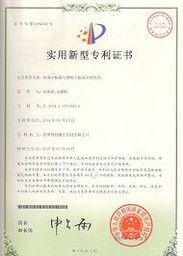


Our Factory
Since founded, Lead Laser focus on resources integration for technology, product, application, market and capital. Approves ISO9001 and CE quality certificate, Owns proprietary intellectual property rights, Obtains hundreds of invention patents. Advocates the development concept of "Keep Ahead On The Tech and Create The Future Together", and the business philosophy of "honesty, efficiency, cooperation, creativity". Stick to "high speed, accuracy and efficiency, environmental protection and low consumption" as the guide of development and manufacture, and reduce cost with increase production efficiency, to create economic benefits and value for customer.



FAQ
Q: What is a hand-held welding machine?
Q: What are the different types of hand-held welding machines?
Q: How does a hand-held welding machine work?
Q: What are the advantages of using a hand-held welding machine?
Q: Can a hand-held welding machine be used for different types of metals?
Q: Is it easy to operate a hand-held welding machine?
Q: What safety measures should be taken while using a hand-held welding machine?
Q: Can a hand-held welding machine be used for professional welding jobs?
Q: Are there any limitations to using a hand-held welding machine?
Q: How long does it take to learn to weld using a hand-held welding machine?
Q: Can a hand-held welding machine be used for repairs and maintenance?
Q: Can a hand-held welding machine be used for artistic purposes?
Q: Are hand-held welding machines expensive?
Q: Can a hand-held welding machine be used for underwater welding?
Q: Are hand-held welding machines suitable for beginners?
Q: Can a hand-held welding machine be used for welding in tight spaces?
Q: Do hand-held welding machines require any maintenance?
Q: Can a hand-held welding machine be used for welding on vertical surfaces?
Q: What is the warranty period for hand-held welding machines?
Q: Where can I buy a hand-held welding machine?
Hot Tags: hand-held welding machine, China hand-held welding machine suppliers, manufacturers, factory
You Might Also Like


Send Inquiry
