

How accurate is a metal laser cutting machine?
How accurate is a metal laser cutting machine?
In the modern manufacturing industry, precision is the cornerstone of quality, and metal laser cutting machines have become a key tool for achieving high - precision metal processing. As a supplier of metal laser cutting machines, I have in - depth knowledge and experience regarding their accuracy. In this blog, I will comprehensively discuss the accuracy of metal laser cutting machines from multiple aspects.
Factors Affecting the Accuracy of Metal Laser Cutting Machines
1. Laser Beam Quality
The quality of the laser beam is one of the most crucial factors influencing cutting accuracy. A high - quality laser beam has a small divergence angle, high energy density, and a stable beam mode. In our Sheet Metal Fiber Laser Cutting Machine, the fiber laser source is carefully selected to generate a high - quality laser beam. The small - diameter and high - energy - density laser beam can focus on a tiny area of the metal surface, enabling precise material removal. When the laser beam quality is poor, the cutting width may increase, and the cutting edge may become uneven, directly reducing the cutting accuracy.
2. Motion Control System
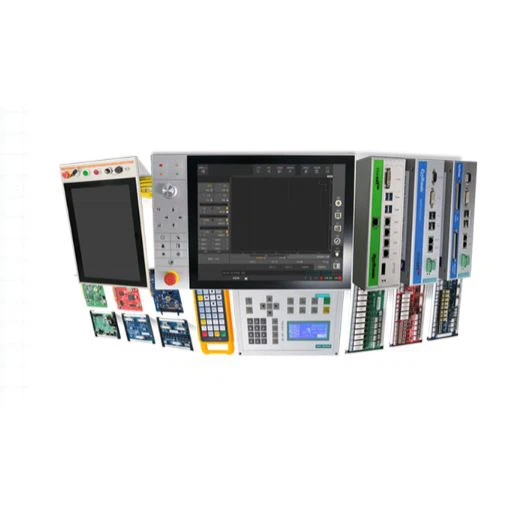
The motion control system of a metal laser cutting machine determines the movement trajectory of the laser head. A precise motion control system can ensure that the laser head moves smoothly and accurately along the pre - programmed path. Our machines are equipped with advanced servo motors and high - precision ball screws. These components can provide high - resolution positioning, enabling the laser head to move with an accuracy of up to ±0.05mm. For example, when cutting complex shapes, the motion control system can accurately follow the contour, ensuring that every part of the cut adheres to the design requirements.
3. Material Properties
The properties of the metal being cut also have a significant impact on cutting accuracy. Different metals have different thermal conductivity, melting points, and hardness. For instance, stainless steel has relatively low thermal conductivity, which means that heat is less likely to spread during the cutting process. This allows for more precise control of the cutting area. Our Laser Cutting Stainless Steel Sheet technology takes advantage of these properties to achieve high - precision cutting. On the other hand, metals with high thermal conductivity, such as aluminum, may cause the heat to spread quickly, resulting in a wider heat - affected zone and potentially reducing the cutting accuracy.
4. Cutting Parameters
The selection of cutting parameters, such as laser power, cutting speed, and gas pressure, is crucial for achieving accurate cutting. If the laser power is too high, it may cause excessive melting of the metal, leading to a rough cutting edge and reduced accuracy. Conversely, if the power is too low, the cutting may be incomplete. Our technical team has conducted extensive experiments to optimize the cutting parameters for different metals and thicknesses. For our Thin Thickness Laser Cutter, specific cutting parameters are set to ensure accurate and efficient cutting of thin - walled metals.

Measuring the Accuracy of Metal Laser Cutting Machines
1. Dimensional Accuracy
Dimensional accuracy refers to how closely the actual dimensions of the cut metal part match the designed dimensions. In general, a high - quality metal laser cutting machine can achieve dimensional accuracy within ±0.1mm for most common metal cutting applications. We use precise measurement tools, such as calipers and micrometers, to measure the dimensions of the cut parts. By comparing the measured values with the design specifications, we can accurately assess the dimensional accuracy of the cutting machine.
2. Geometric Accuracy
Geometric accuracy focuses on the shape and position accuracy of the cut parts. This includes flatness, perpendicularity, and parallelism. For example, when cutting a square plate, the four corners should be exactly 90 degrees, and the opposite sides should be parallel. Advanced metal laser cutting machines can maintain geometric accuracy within a very small tolerance range. Our machines are regularly calibrated to ensure high geometric accuracy, which is essential for applications where parts need to be assembled precisely.
3. Surface Roughness
The surface roughness of the cut edge is also an important indicator of cutting accuracy. A smooth cut edge indicates better cutting quality and accuracy. The surface roughness is influenced by factors such as the laser beam quality, cutting speed, and material properties. Our metal laser cutting machines can achieve a relatively low surface roughness. For stainless steel cutting, the surface roughness can be controlled within Ra 1.6 - 3.2μm, which meets the requirements of most industrial applications.
Applications Requiring High - Accuracy Metal Laser Cutting
1. Aerospace Industry
In the aerospace industry, the components need to meet extremely high accuracy requirements. Metal laser cutting machines are used to manufacture parts such as turbine blades, fuel nozzles, and structural components. The high - precision cutting ability ensures the performance and safety of aerospace products. Our metal laser cutting machines have been widely recognized in the aerospace manufacturing field for their accuracy and reliability.
2. Electronics Industry
The electronics industry often requires the cutting of thin metal sheets for components such as mobile phone casings, circuit boards, and heat sinks. High - accuracy cutting is necessary to ensure the proper fit and function of these components. Our Thin Thickness Laser Cutter is specifically designed to meet the high - precision requirements of the electronics industry.
3. Medical Device Manufacturing
Medical devices, such as surgical instruments and implantable devices, demand the highest level of accuracy and quality. Metal laser cutting machines can precisely cut complex shapes and fine structures on medical device materials. The accuracy of the cutting process ensures the effectiveness and safety of medical devices.
Conclusion
Metal laser cutting machines are highly accurate tools in modern manufacturing. Through the careful control of laser beam quality, motion control systems, material properties, and cutting parameters, they can achieve high - precision cutting in terms of dimensional accuracy, geometric accuracy, and surface roughness. Different industries have different accuracy requirements, and our metal laser cutting machines can be customized and optimized to meet these diverse needs.
If you are interested in our metal laser cutting machines and would like to discuss your specific requirements or initiate a purchase, please feel free to reach out to us. We look forward to partnering with you to achieve high - quality and precise metal processing solutions.
References
- "Laser Cutting Principles and Applications", H. Shulz, 2018.
- "Metalworking Handbook", W. E. Woodson, 2020.
- "Advanced Manufacturing Technology", R. G. Landers, 2019.