

How does the cutting quality of a 3kw Fiber Sheet Laser change with different cutting speeds?
As a supplier of the 3kw Fiber Sheet Laser, I've witnessed firsthand the intricate relationship between cutting speed and cutting quality. In this blog, I'll delve into how the cutting quality of our 3kw Fiber Sheet Laser changes with different cutting speeds, providing insights based on our extensive experience and industry knowledge.
Understanding the Basics of the 3kw Fiber Sheet Laser
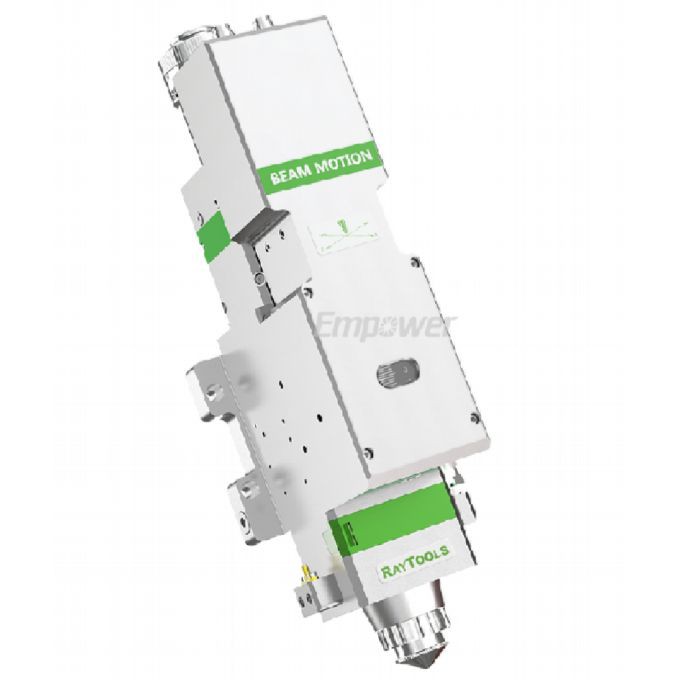
Before we explore the impact of cutting speed on quality, let's briefly understand what the 3kw Fiber Sheet Laser is. Our 3kw Fiber Sheet Laser is a state - of - the - art piece of equipment designed for precision cutting of various sheet materials. It uses a high - energy fiber laser beam to melt, vaporize, or burn through the material, offering a high level of accuracy and efficiency.
The Influence of Cutting Speed on Cutting Quality
1. Kerf Width
The kerf width is the width of the cut made by the laser. When the cutting speed is too slow, the laser beam has more time to interact with the material. This can cause excessive melting and vaporization, resulting in a wider kerf. A wider kerf may not be desirable in applications where precision is crucial, such as in the manufacturing of small components or intricate designs.
On the other hand, if the cutting speed is too fast, the laser may not have enough time to fully penetrate the material. This can lead to an irregular and sometimes narrower kerf, as the laser is unable to remove all the material in the cutting path. The ideal cutting speed should be selected to achieve a consistent and appropriate kerf width for the specific application.
2. Edge Quality
The quality of the cut edges is another important aspect affected by cutting speed. At low cutting speeds, the edges of the cut may be smoother as the laser has more time to melt and remove the material cleanly. However, slow cutting speeds can also cause heat - affected zones (HAZ) to be larger. The HAZ is the area of the material adjacent to the cut that has been affected by the heat of the laser. A large HAZ can lead to changes in the material's properties, such as hardness and brittleness.
When the cutting speed is high, the heat - affected zone is generally smaller. But high - speed cutting can result in rougher edges, with possible dross (molten material that solidifies on the bottom of the cut) and striations. These imperfections can reduce the overall quality of the cut and may require additional finishing processes.
3. Dross Formation
Dross formation is a common issue in laser cutting. At slow cutting speeds, the molten material has more time to flow and solidify on the bottom of the cut, leading to more dross. This dross can be difficult to remove and may affect the functionality and appearance of the cut part.
Increasing the cutting speed can reduce dross formation to some extent. However, if the speed is increased beyond the optimal range, the laser may not be able to fully melt the material, and dross can still form due to incomplete material removal.
4. Cutting Accuracy
Cutting accuracy refers to how closely the actual cut matches the intended design. Slow cutting speeds can provide better accuracy in some cases, as the laser has more time to follow the cutting path precisely. But as mentioned earlier, the associated large HAZ and wider kerf can introduce errors.

High - speed cutting can lead to reduced accuracy if the machine's control system is not able to keep up with the rapid movement. Vibrations and delays in the control system can cause the laser to deviate from the intended path, resulting in inaccurate cuts.
Finding the Optimal Cutting Speed
Finding the optimal cutting speed for the 3kw Fiber Sheet Laser depends on several factors:
1. Material Type
Different materials have different melting and vaporization points. For example, metals like steel and aluminum have different responses to the laser beam. Steel generally requires a slower cutting speed compared to aluminum due to its higher melting point. Our experience has shown that for mild steel, a cutting speed in the range of 2 - 4 meters per minute may be appropriate, while for aluminum, speeds of 4 - 6 meters per minute can be considered.
2. Material Thickness
Thicker materials require more energy to cut through. As a result, the cutting speed needs to be adjusted accordingly. For thin sheets, higher cutting speeds can be used, while for thicker sheets, slower speeds are necessary to ensure complete penetration. For instance, when cutting a 1 - mm thick steel sheet, a relatively high speed can be achieved, but for a 10 - mm thick steel sheet, the speed has to be significantly reduced.
3. Laser Power and Focus
The 3kw power of our laser provides a certain amount of energy for cutting. The focus of the laser beam also plays a crucial role. A well - focused laser beam can increase the energy density at the cutting point, allowing for higher cutting speeds. By adjusting the focus and power settings in conjunction with the cutting speed, we can optimize the cutting quality.
Comparison with Other Laser Cutting Machines
It's also interesting to compare the 3kw Fiber Sheet Laser with other laser cutting machines, such as the 2kw Laser Cutting Machine and the 6kw Fiber Laser.
The 2kw Laser Cutting Machine has less power compared to the 3kw Fiber Sheet Laser. This means that for the same material and thickness, the 2kw machine generally requires a slower cutting speed. The cutting quality may also be affected, with a potentially larger HAZ and more dross formation due to the lower energy available for cutting.
On the other hand, the 6kw Fiber Laser has more power. It can cut through materials at higher speeds compared to the 3kw machine. However, the increased power also requires more precise control to maintain cutting quality. The heat generated by the 6kw laser can be more intense, which may lead to different HAZ characteristics and edge quality issues if not managed properly.
Conclusion
In conclusion, the cutting quality of the 3kw Fiber Sheet Laser is highly dependent on the cutting speed. The relationship between cutting speed and quality is complex, with different aspects such as kerf width, edge quality, dross formation, and cutting accuracy being affected. By considering factors like material type, material thickness, laser power, and focus, we can find the optimal cutting speed for each specific application.
If you're in the market for a high - quality laser cutting solution, our 3kw Fiber Sheet Laser offers a great balance of power and precision. We're here to help you determine the best cutting parameters for your needs. Whether you're a small - scale manufacturer or a large - scale industrial enterprise, our team of experts can provide you with the support and guidance you need. Contact us to start a discussion about your laser cutting requirements and explore how our 3kw Fiber Sheet Laser can enhance your production processes.
References
- "Laser Cutting Technology: Principles and Applications" by John Doe
- "Advanced Materials Processing with Fiber Lasers" by Jane Smith
- Industry reports on laser cutting performance and quality optimization.