


Round Tube Cutting Machine
A round tube cutting machine is a specialized piece of equipment designed to cut tubular stock material, such as pipes, tubes, and rods, into predetermined lengths or shapes. These machines come in various configurations, but typically include features like a cutting carriage that moves along the length of the tube, a cutting mechanism (which could be a blade, laser, plasma, or waterjet), and a system for securing and rotating the tube during the cutting process.
Product Introduction
Why Choose Us
Competitive Pricing
We offer cost-effective solutions without sacrificing quality, providing great value for investment.
Global Service Network
With a wide-reaching service network, we can assist customers worldwide with installation, maintenance, and support.
Professional Support Team
Our knowledgeable staff is ready to provide expert guidance and support throughout the entire purchasing process.
Commitment to Sustainability
We strive to create eco-friendly products that contribute to a greener future without compromising on performance.
A round tube cutting machine is a specialized piece of equipment designed to cut tubular stock material, such as pipes, tubes, and rods, into predetermined lengths or shapes. These machines come in various configurations, but typically include features like a cutting carriage that moves along the length of the tube, a cutting mechanism (which could be a blade, laser, plasma, or waterjet), and a system for securing and rotating the tube during the cutting process.
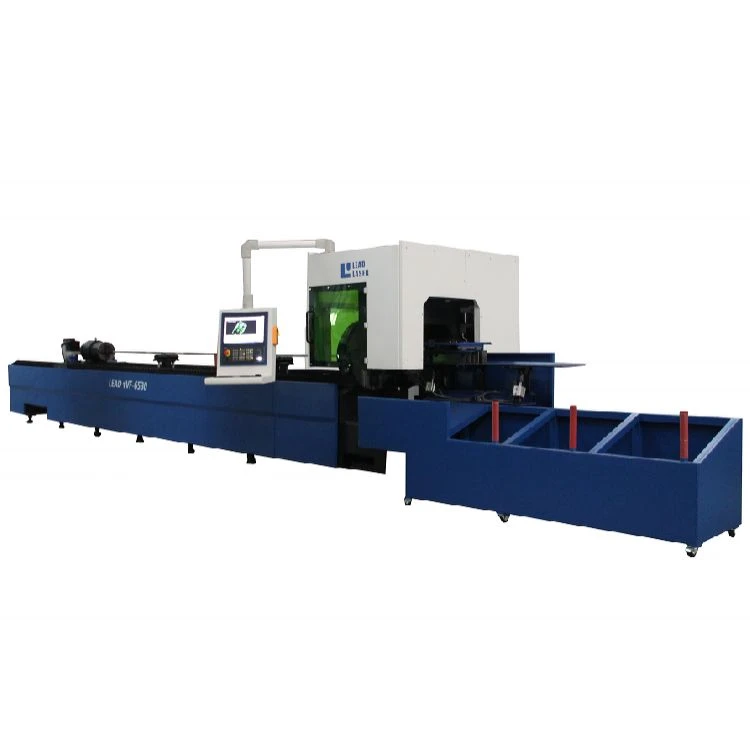


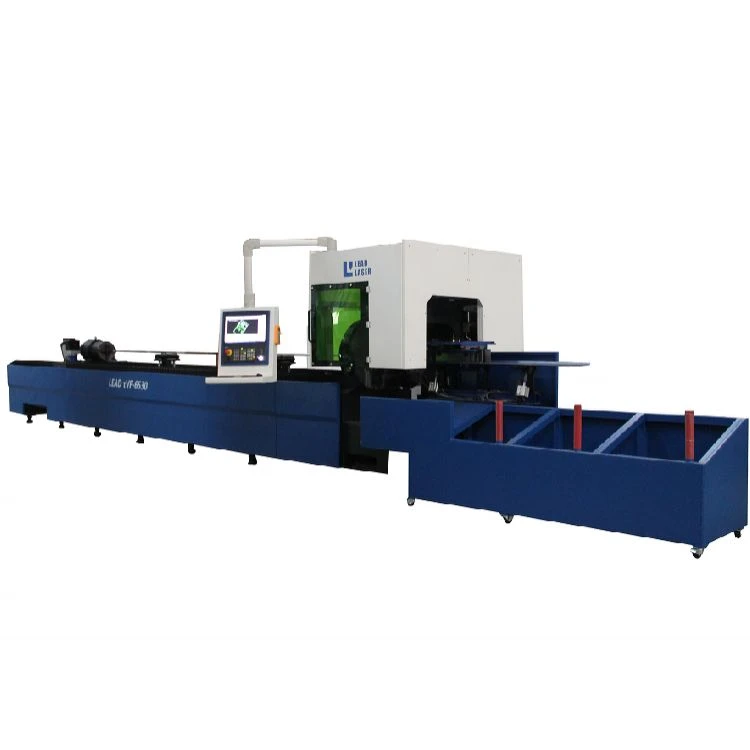
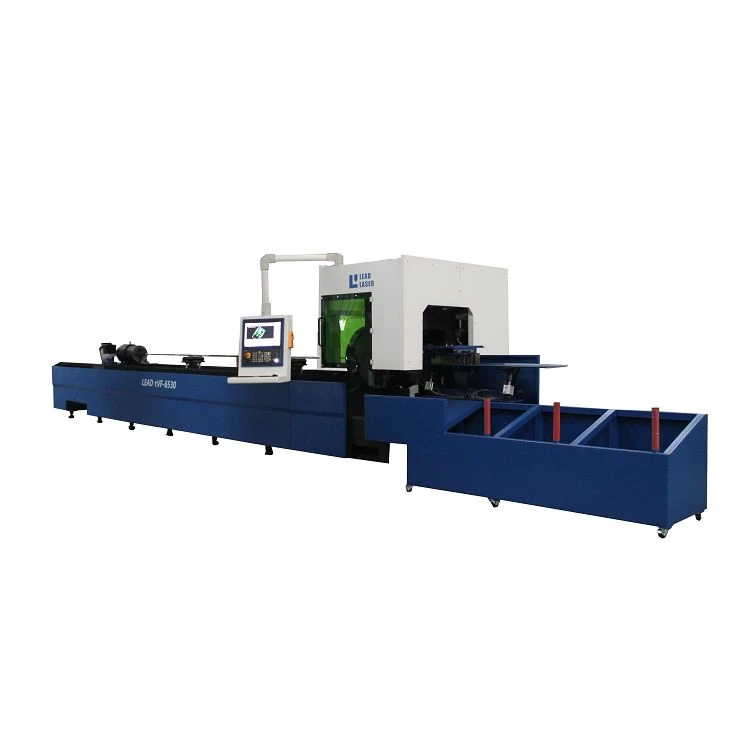
CNC Control: Many tube cutting machines are controlled by computer numerical control (CNC) systems, allowing for precise and automated cutting of complex geometries and profiles.
Multiple Axes: To facilitate intricate cuts, these machines may have multiple axes of motion, enabling the cutting tool to move around the tube in multiple directions.
Cutting Technologies: Depending on the machine, it might use a variety of cutting technologies, such as band saws, miter saws, lasers, plasma torches, or waterjets. Each technology has its own advantages and is selected based on the material being cut, desired cut quality, and the complexity of the cut needed.
Automatic Feed Mechanisms: Some machines include automatic feed mechanisms that advance the tube into the cutting area, increasing productivity and ensuring consistent cut lengths.
Tool Change Systems: For machines with interchangeable cutting tools, a tool change system allows for quick changes between different cutting methods or tool types without manual intervention.
Clamping and Fixturing Systems: Proper clamping and fixturing are essential to hold the tube securely while cutting to prevent movement and ensure precision.
Dust and Smoke Extraction: Cutting operations can generate dust and smoke, so machines often include systems for extraction to maintain a safe and clean working environment.
How does a round tube cutting machine operate?
Setup: The operator loads the round tube onto the machine's worktable. The tube is secured using clamps or fixtures to prevent movement during the cutting process.
Programming: If the machine is CNC-controlled, the operator enters the cutting specifications into the control system. This includes the length of the cuts, any angles or notches, and the sequence in which the cuts are to be made.
Alignment and Calibration: Before starting, the machine must be aligned and calibrated to ensure precision. This involves setting up reference points and zero positions for the cutting tool and the tube.
Cutting Process: For mechanical cutting methods (like band saws), the cutting tool is brought into contact with the tube at the start point of the cut. The machine then advances the tool along the programmed path, making the cut.
For laser, plasma, or waterjet cutting, the cutting head, which contains the cutting beam or stream, is positioned at the start of the cut. The machine moves the head along the programmed path, while the cutting beam or stream vaporizes, melts, or cuts through the material.
Automatic Feed: On some machines, an automatic feed mechanism progressively feeds the tube into the cutting area, ensuring consistent cut lengths and reducing the need for manual adjustments.
Tool Changes: If the machine is equipped with a tool change system, it will automatically switch between different cutting tools or methods as required by the programmed sequence.
Finishing the Cut: Once the cut is complete, the machine stops at the endpoint, retracts the cutting tool or head, and moves to the next starting position if multiple cuts are to be made.
Unloading and Cleanup: After all cuts have been made, the operator unloads the cut tubes from the machine and cleans up any debris using the machine's dust and smoke extraction system or by manual means.
What factors should be considered when choosing a round tube cutting machine?
When selecting a round tube cutting machine, several factors must be taken into account to ensure that the chosen machine aligns with the specific needs and requirements of the application:
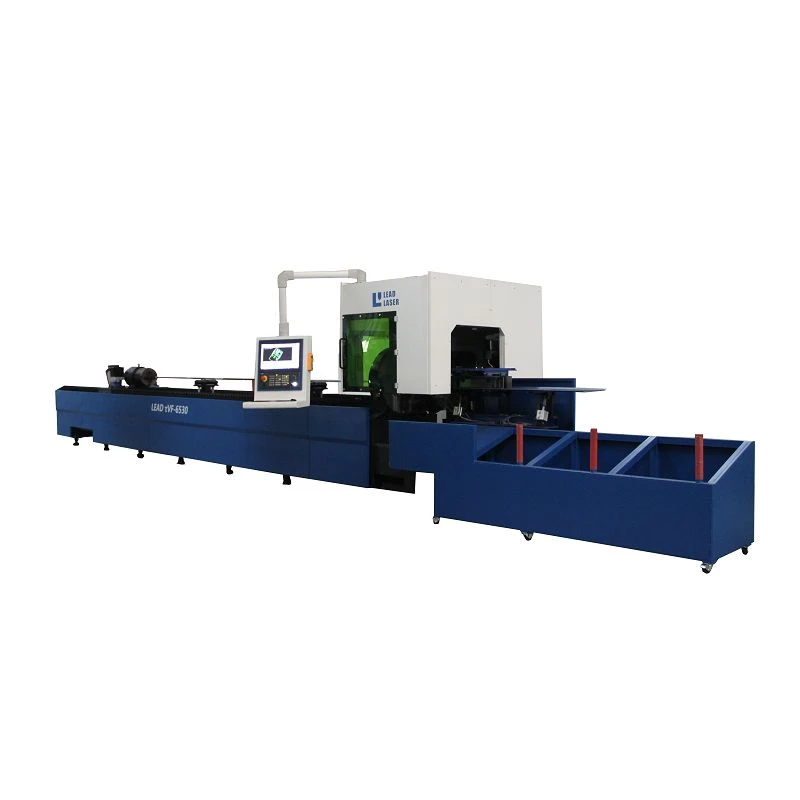

Material Type and Thickness: The machine should be capable of handling the type and thickness of the materials you intend to cut. Different cutting technologies are suited for different material properties and thickness ranges.
Cutting Accuracy and Quality: Consider the precision required for your cuts, including straightness, repeatability, and surface finish. High-end CNC machines can provide very tight tolerances and excellent finishes.
Productivity: Evaluate the speed at which the machine can make cuts and whether it has automatic feeding capabilities. Faster cutting speeds can significantly increase production output.
Versatility: Look for machines that offer flexibility in cutting options, such as the ability to make angled cuts, bevels, or miters. Some machines also allow for cutting of square and rectangular tubes.
Cutting Technology: Choose the appropriate cutting technology based on your needs. Laser cutters are good for precision and intricate designs, plasma for speed and cost-effectiveness on conductive metals, and band saws for thicker materials.
Machine Size and Capacity: The size of the machine should match the largest tubes you need to cut, and the capacity should accommodate the length and weight of the tubes.
Ease of Operation and Maintenance: Consider the user interface, ease of programming, and overall ergonomics of the machine. Also, think about maintenance requirements, accessibility for cleaning and servicing, and availability of spare parts.
Safety Features: The machine should have built-in safety features to protect operators, such as emergency stop buttons, shields, and proper guarding.
Budget and Cost-Effectiveness: Balance the initial investment against the long-term benefits, including operational costs, maintenance expenses, and potential savings from increased efficiency.
Software Compatibility: Ensure that the machine's control software is compatible with any existing design and planning software you are using to avoid additional integration costs.
Vendor Support and Service: Choose a reputable manufacturer with a strong track record of customer support and service, including installation, training, and after-sales support.
Environmental Impact: Consider the environmental footprint of the machine, including energy consumption and any waste produced during the cutting process.
What safety precautions should be taken when using a round tube cutting machine?
When operating a round tube cutting machine, it is essential to adhere to strict safety protocols to prevent injuries and accidents. Here are key safety precautions that should be followed:
Personal Protective Equipment (PPE): Operators should wear appropriate PPE, including safety glasses, gloves, ear protection, and closed-toe shoes. If the machine generates sparks or heat, additional protection like a face shield may be necessary.
Machine Familiarity: Operators should receive thorough training on the specific make and model of the machine they are using, understanding all controls, safety features, and emergency procedures.
Pre-Operation Checks: Conduct a pre-operation check to ensure that the machine is in good working order, all guards and shields are in place, and there are no loose or damaged components.
Secure Materials: Ensure that the tube being cut is securely fastened to the machine to prevent movement during cutting, which could cause the material to be thrown or cause the machine to malfunction.
Proper Tool Selection and Maintenance: Use sharp, undamaged cutting tools and replace them as needed. Dull or damaged tools can lead to poor cuts, excessive sparks, and potential breakage, which can result in injury.
Do Not Reach Over Moving Parts: Avoid reaching over or into the cutting area while the machine is in operation. Wait until the machine has completely stopped and the cutting area is clear before attempting to remove any cut pieces.
No Unauthorized Use: Only trained personnel should operate the machine, and children and bystanders should be kept away from the work area.
Awareness of Machine Limits: Understand the machine's load limits and do not attempt to cut tubes that exceed these specifications. Overloading the machine can cause damage or failure.
Emergency Stop: Know the location of the emergency stop button and ensure it is easily accessible and functional in case of an immediate shutdown situation.
Clear Work Area: Keep the immediate work area clear of clutter, debris, and other materials that could pose a tripping hazard or interfere with the operation of the machine.
Regular Maintenance: Perform regular maintenance according to the manufacturer's recommendations to keep the machine in safe working condition.
Follow Manufacturer's Guidelines: Always refer to the manufacturer's operation manual and safety guidelines for detailed instructions on how to safely use the machine.
How can I maintain a round tube cutting machine?
Regular Cleaning: Clean the machine thoroughly after each use to remove any debris, dust, or metal shavings. Use appropriate cleaning agents and avoid using abrasive materials that could damage the machine's components.
Lubrication: Apply lubricating oil or grease to the moving parts of the machine, such as gears, bearings, and cutting blades. This helps reduce friction, prevent corrosion, and ensure smooth operation. Follow the manufacturer's guidelines for the type and frequency of lubrication required.
Inspect And Replace Worn Parts: Regularly inspect the machine for any worn or damaged parts. This includes checking the cutting blades, clamps, and bearings. Replace any components that show signs of wear or malfunction to prevent further damage and maintain optimal cutting performance.
Calibration And Alignment: Periodically check the machine's calibration and alignment to ensure accurate cutting. Use precision measuring tools to check the squareness, straightness, and parallelism of the cutting head and the worktable. Make necessary adjustments or seek professional assistance if required.
Electrical System Maintenance: Inspect the electrical components, wires, and connections regularly to ensure they are in good condition. Tighten loose connections, clean any accumulated dust or debris, and replace any faulty electrical parts. Follow proper safety protocols while handling electrical components.
Safety Precautions: Adhere to all safety guidelines provided by the manufacturer. Ensure that operators wear appropriate personal protective equipment, such as safety glasses and gloves. Regularly inspect safety features like emergency stop buttons and safety guards, and repair or replace them if damaged.
Operator Training: Provide adequate training to the machine operators to ensure they understand the proper operation and maintenance procedures. Encourage them to report any issues or abnormalities they notice during machine operation.
Regular Servicing: Schedule periodic maintenance or servicing by qualified technicians. This helps identify and address any underlying problems that may not be visible during routine inspection. Follow the manufacturer's recommended maintenance schedule to maintain the machine's efficiency and prevent breakdowns.
Keep A Maintenance Log: Maintain a log to record all maintenance activities, including cleaning, lubrication, inspection, and servicing. This log serves as a useful reference to track the machine's maintenance history and identify any recurring problems.
Follow The User Manual: Always refer to the machine's user manual for specific maintenance instructions tailored to your round tube cutting machine. The manual will provide detailed information on maintenance intervals, recommended lubricants, and troubleshooting tips.
Types of Round Tube Cutting Machine
Manual Tube Cutting Machines: These are basic machines that require the operator to manually feed the tube into the cutting mechanism. They are suitable for low-volume cutting tasks and simple operations.
Automatic Tube Cutting Machines: These machines automate the cutting process, reducing the need for manual intervention. They can handle higher volumes of tubes and are equipped with programmable controls to set cutting lengths and angles.
CNC (Computer Numerical Control) Tube Cutting Machines: CNC machines offer precise control over the cutting process, allowing for complex cuts and high repeatability. They can be programmed to cut tubes to specific lengths, angles, and even perform beveling and chamfering.
Laser Cutting Machines: Laser tube cutters use a high-powered laser beam to cut through tubes quickly and accurately. They are capable of producing intricate designs and patterns and are particularly useful for precision work in industries like aerospace and automotive.
Plasma Cutting Machines: Plasma tube cutters use an electric arc and ionized gas to cut through tubes. They are faster than laser cutters for thicker materials and are less expensive, although they may not provide the same level of precision.
Band Saw Cutting Machines: Band saws use a continuous loop of toothed metal blade to cut through tubes. They are versatile machines that can handle a variety of materials and thicknesses, making them popular in general manufacturing and fabrication shops.
Miter Tube Cutting Machines: Miter tube cutters are specifically designed for cutting tubes at angles, making them ideal for creating joints and fittings in construction and furniture projects.
Rotary Tube Cutting Machines: Rotary cutters use a spinning blade to cut through tubes. They are particularly useful for cutting large diameter tubes and can handle a range of materials, including steel and aluminum.
Certifications




Our Factory
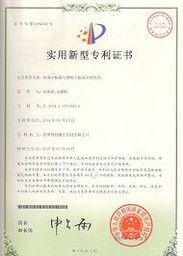
Since founded, Lead Laser focus on resources integration for technology, product, application, market and capital. Approves ISO9001 and CE quality certificate, Owns proprietary intellectual property rights, Obtains hundreds of invention patents. Advocates the development concept of "Keep Ahead On The Tech and Create The Future Together", and the business philosophy of "honesty, efficiency, cooperation, creativity". Stick to "high speed, accuracy and efficiency, environmental protection and low consumption" as the guide of development and manufacture, and reduce cost with increase production efficiency, to create economic benefits and value for customer.



FAQ
Q: What is a round tube cutting machine?
Q: What is the purpose of using a round tube cutting machine?
Q: How does a round tube cutting machine operate?
Q: What factors should be considered when choosing a round tube cutting machine?
Q: What types of round tubes can be cut using this machine?
Q: Can irregularly shaped tubes be cut using a round tube cutting machine?
Q: Is it possible to cut tubes of different diameters using the same machine?
Q: Is it necessary to deburr the cut edges after using a round tube cutting machine?
Q: How accurate are the cuts made by a round tube cutting machine?
Q: Can complex shapes be cut using a round tube cutting machine?
Q: Can a round tube cutting machine be automated?
Q: How is the machine's cutting speed determined?
Q: Can a round tube cutting machine be used for bevel cuts?
Q: What safety precautions should be taken when using a round tube cutting machine?
Q: Is training required to operate a round tube cutting machine?
Q: Can a round tube cutting machine be used for mass production?
Q: How can I maintain a round tube cutting machine?
Q: Can a round tube cutting machine cut tubes of different thicknesses?
Q: What are the power requirements for a round tube cutting machine?
Q: Can a round tube cutting machine cut tubes with internal coatings or linings?
Hot Tags: round tube cutting machine, China round tube cutting machine suppliers, manufacturers, factory
You Might Also Like


Send Inquiry
