

Can a 4kw laser cutter cut laminated materials?
When it comes to the capabilities of laser cutters, one common question that often arises in industrial and creative circles alike is whether a 4kW laser cutter can effectively cut laminated materials. As a supplier of 4kW Laser Cutters, I'm well - versed in the intricacies of laser cutting technology, and in this blog post, I'll delve deep into this topic to provide you with a comprehensive answer.
Understanding Laminated Materials
Laminated materials are composite materials created by bonding together two or more layers of different materials. These layers can be of various types, such as plastics, metals, papers, or fabrics, using adhesives or heat - pressing techniques. The purpose of laminating materials can range from enhancing durability and strength to adding aesthetic value or providing specific functional properties like insulation or water - resistance.
The composition and thickness of laminated materials can vary significantly. For example, some laminates may consist of a thin layer of decorative plastic bonded to a thicker wooden substrate, while others might be multiple layers of metal sheets held together. These differences in composition and structure will have a substantial impact on the laser cutting process.
Mechanism of Laser Cutting
Before we analyze whether a 4kW laser cutter can cut laminated materials, it's essential to understand how laser cutting works. A laser cutter uses a highly concentrated beam of light to melt, burn, or vaporize the material it is focused on. The power of the laser is a crucial factor as it determines the intensity of the beam and the energy available to interact with the material.
In a 4kW laser cutter, the 4 kilowatts of power represent the energy output of the laser beam. The higher the power, the more energy is available to process the material. However, other factors such as the type of laser (e.g., fiber laser, CO₂ laser), the focal length of the lens, the cutting speed, and the assist gas used also play important roles in the cutting process.
Can a 4kW Laser Cutter Cut Laminated Materials?
The answer to whether a 4kW laser cutter can cut laminated materials is: it depends. Several factors need to be considered:
Material Composition
- Homogeneous Layers: If the laminated material consists of layers with similar physical and chemical properties, the 4kW laser cutter has a higher chance of successful cutting. For example, a laminate made up of multiple layers of the same type of thermoplastic can be relatively easy to cut. The laser energy can penetrate through the layers, melting or vaporizing them at a consistent rate.
- Heterogeneous Layers: However, when the layers have different melting points, absorption coefficients, or other properties, cutting becomes more challenging. For instance, a laminate with a metal layer and a plastic layer. The metal layer might require more energy to melt compared to the plastic layer. The 4kW laser may be able to cut through the plastic layer relatively easily but struggle to penetrate the metal layer, especially if it is thick.
Thickness of the Laminated Material
- Thin Laminates: For thin laminated materials, typically up to a few millimeters in total thickness, a 4kW laser cutter is often capable of making clean cuts. The high - energy laser beam can quickly penetrate through the thin layers, and with proper control of the cutting speed and other parameters, a smooth cutting edge can be achieved. For example, a laminated paper or thin plastic laminate used in packaging or signage can be cut efficiently by a 4kW laser cutter.
- Thick Laminates: As the thickness of the laminated material increases, the 4kW laser cutter may face limitations. The energy of the laser beam is gradually absorbed and dissipated as it travels through the material, and it may not have enough power to fully penetrate thicker laminates, especially those with multiple dense or high - melting - point layers.
Adhesive Properties
The adhesive used to bond the layers in a laminated material can also affect the cutting process. Some adhesives may release harmful fumes or residues when exposed to the high - energy laser beam. Additionally, if the adhesive has a high melting or decomposition point, it can interfere with the cutting of the individual layers. A 4kW laser cutter may need to be adjusted in terms of power and cutting speed to deal with different types of adhesives.
Advantages and Limitations of Using a 4kW Laser Cutter for Laminated Materials
Advantages
- Precision: Laser cutters are known for their high precision, and a 4kW laser cutter is no exception. It can provide accurate cuts with minimal kerf width, making it suitable for applications where fine details are required in laminated materials, such as in the production of intricate decorative items or precision components.
- Versatility: It can be used to cut a wide range of laminated materials, as long as the material properties and thickness are within the capabilities of the machine. This versatility makes it a valuable tool in various industries, from manufacturing to arts and crafts.
- Speed: Compared to some traditional cutting methods, a 4kW laser cutter can cut laminated materials relatively quickly, increasing productivity in a production environment.
Limitations
- Material Constraints: As mentioned earlier, the composition and thickness of the laminated material can pose limits to the cutting ability of a 4kW laser cutter. Some complex or thick laminates may require a more powerful laser cutter to achieve satisfactory results.
- Cost: Operating a 4kW laser cutter involves costs such as electricity, maintenance, and replacement of consumables. If the cutting process requires multiple passes or adjustments due to material challenges, these costs can add up.
- Safety Concerns: When cutting certain laminated materials, especially those with plastics or adhesives, harmful fumes may be generated. Adequate ventilation and safety measures need to be in place, which can increase the complexity and cost of the cutting operation.
Case Studies and Comparisons with Other Power Laser Cutters
Let's look at some comparisons with other power laser cutters in the context of cutting laminated materials:

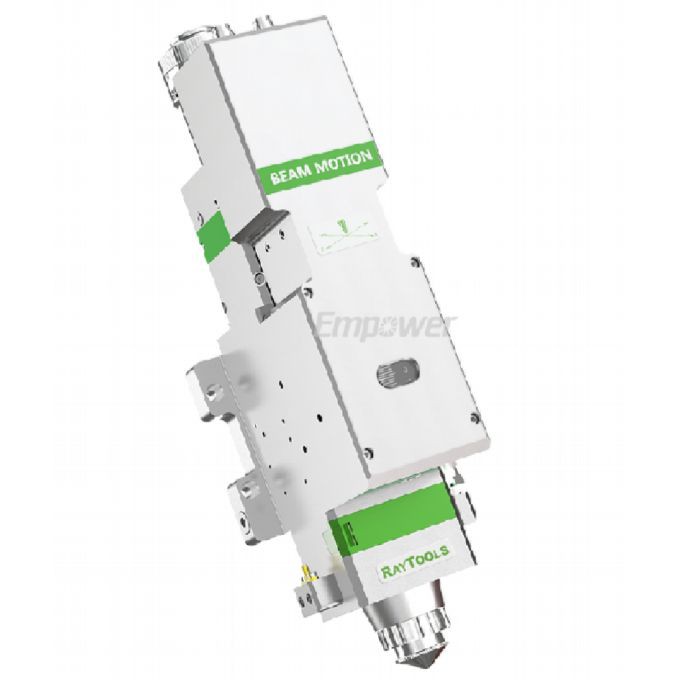
Comparison with 2kW Laser Cutting Machine
- A 2kW Laser Cutting Machine has less power than a 4kW laser cutter. For thin and relatively simple laminated materials, a 2kW machine may be sufficient. However, when it comes to thicker or more complex laminates, the 4kW laser cutter will generally have better performance. The 4kW machine can penetrate deeper and cut faster, reducing the need for multiple passes.
Comparison with 3kW Fiber Sheet Laser
The 3kW Fiber Sheet Laser falls between the 2kW and 4kW laser cutters in terms of power. It can handle a wider range of laminated materials compared to the 2kW machine but still may face challenges with very thick or difficult - to - cut laminates. The 4kW laser cutter has an edge in terms of the ability to cut through more substantial materials and achieve better results in a shorter time.
Comparison with 6kW Fiber Laser
The 6kW Fiber Laser is more powerful than the 4kW laser cutter. It can easily cut through thicker and more complex laminated materials that may be beyond the reach of the 4kW machine. However, a 6kW laser cutter also comes with a higher price tag, both in terms of the initial purchase cost and the operating cost. For businesses that mainly deal with thinner or less complex laminated materials, a 4kW laser cutter can be a more cost - effective option.
Tips for Using a 4kW Laser Cutter to Cut Laminated Materials
If you decide to use a 4kW laser cutter to cut laminated materials, here are some tips to ensure better results:
- Test Cutting: Before starting a large - scale cutting project, perform test cuts on a small piece of the laminated material. This will help you determine the optimal cutting parameters such as power, speed, and assist gas pressure.
- Use Appropriate Assist Gas: Different laminated materials may require different types of assist gases. For example, oxygen can be used to enhance the cutting speed on some metal - containing laminates, while nitrogen can be used to prevent oxidation and achieve a cleaner cut on plastics.
- Maintain the Machine: Regular maintenance of the 4kW laser cutter is crucial. Keep the lens clean, check the alignment of the laser beam, and ensure that all components are in good working condition to maintain consistent cutting quality.
Conclusion
In conclusion, a 4kW laser cutter can cut laminated materials, but the success of the cutting process depends on multiple factors such as material composition, thickness, and adhesive properties. While it has advantages in terms of precision, versatility, and speed, it also has limitations when dealing with very thick or complex laminates.
If you are considering purchasing a laser cutter for cutting laminated materials, carefully evaluate your specific needs. A 4kW laser cutter can be a great choice for many applications, offering a good balance between performance and cost. If you have any questions about our 4kW Laser Cutters or need more information on how they can be used for your laminated material cutting projects, feel free to contact us for a detailed discussion and a personalized solution.
References
- "Laser Cutting Technology: Principles and Applications" by John Doe
- "Advanced Materials for Laser Processing" by Jane Smith
- Industry reports on laser cutting equipment and their performance in cutting composite materials.